MOUD Implementation Solutions for Correctional Health
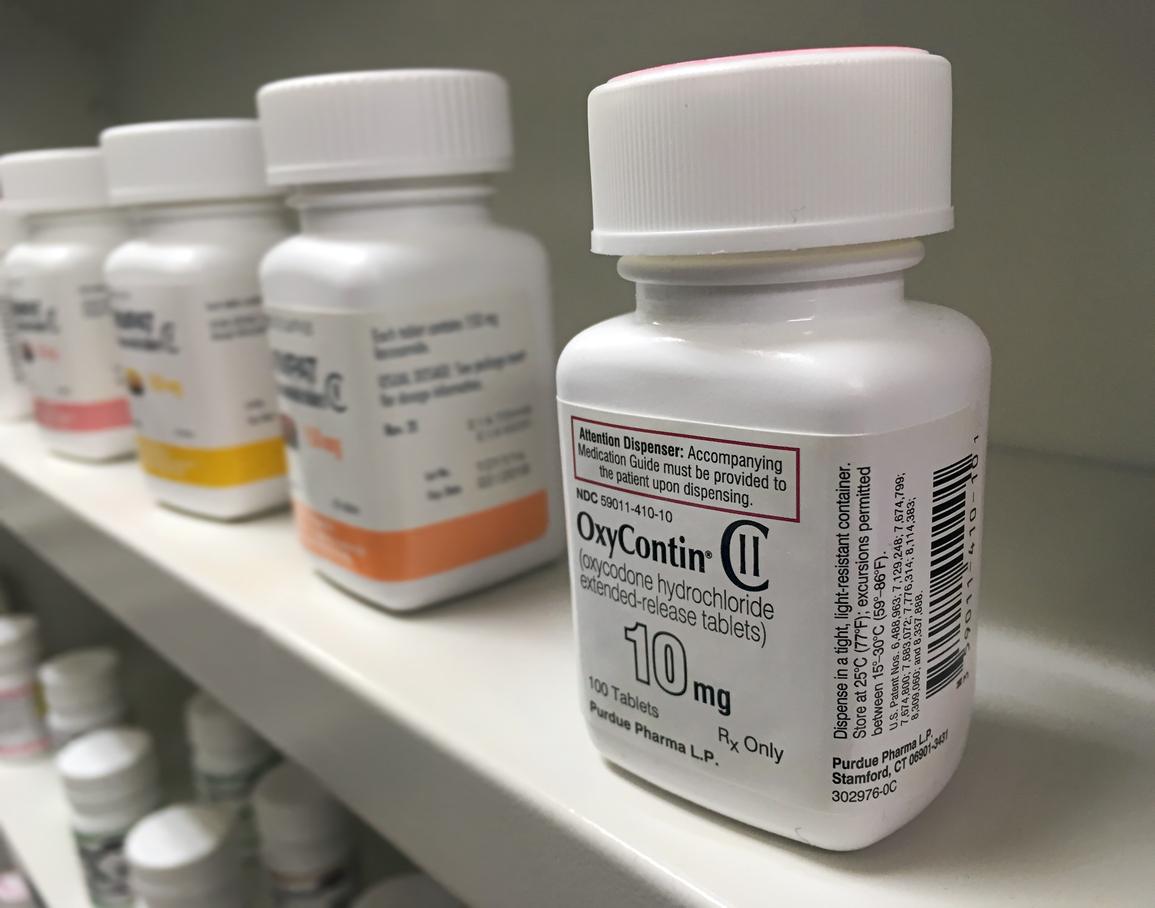
Medications for opioid use disorder (MOUD) prescribed in correctional facilities are critical to saving patients’ lives. Yet, nationally, fewer than half of the 1,028 surveyed carceral facilities (43.8%) offer MOUD services. Compounded by stigma, lack of resources in rural areas, and demographics of those impacted, treating OUD remains a challenging public health crisis.
Solution:
Stratis Health offers practical implementation strategies to efficiently and effectively integrate addiction medicine services into carceral systems. Through our fully customized program framework of services, we collaborate to:
- Improve the timely recognition of OUD in people who are incarcerated.
- Define the intersection of mental health and opioid use disorder.
- Enable correctional facilities to understand the basic neurobiology of addiction and what makes it a chronic health condition
- Educate carceral facilities on implementing MOUD as a standard of care.
- Develop and implement processes for implementing advanced MOUD programming.
- Support staff and community partners throughout the engagement.
Core Program Components:
Our 8-14 month interactive and collaborative engagement includes the following training and technical assistance:
- Foundational education overview of MOUD highlighting relevant tools and resources.
- An initial assessment and maturity matrix to measure your progress against organization goals.
- Monthly online planning and technical assistance sessions with subject matter experts to review progress on the maturity matrix, successes, and barriers.
- Exclusive access to evidence-based tools, resources, protocols, policies, and tools that include care plans, screening questions, signs of withdrawal, what staff can do about it, and how to seek funding to support the cost of the program.
- Ongoing virtual learning, including collaboratives and affinity groups for organizations with multiple sites pursuing shared goals.
- Customized reports for use in organizational improvement activities and to show program outcomes to potential funders (e.g., county commissioners).
We make lives better by…
- Improving the timely recognition of opioid use disorder in people who are incarcerated.
- Determining next steps and/or a plan on how to implement or advance MOUD programming in jail.
- Defining the intersection of mental health and opioid use disorder.
- Enabling correctional facilities to understand the basic neurobiology of addiction and what makes it a chronic health condition.
- Educating jails on how to implement Buprenorphine (MOUD) treatment as a standard of care.